Buying Fewer, Better Home Items Without Turning It Into Luxury
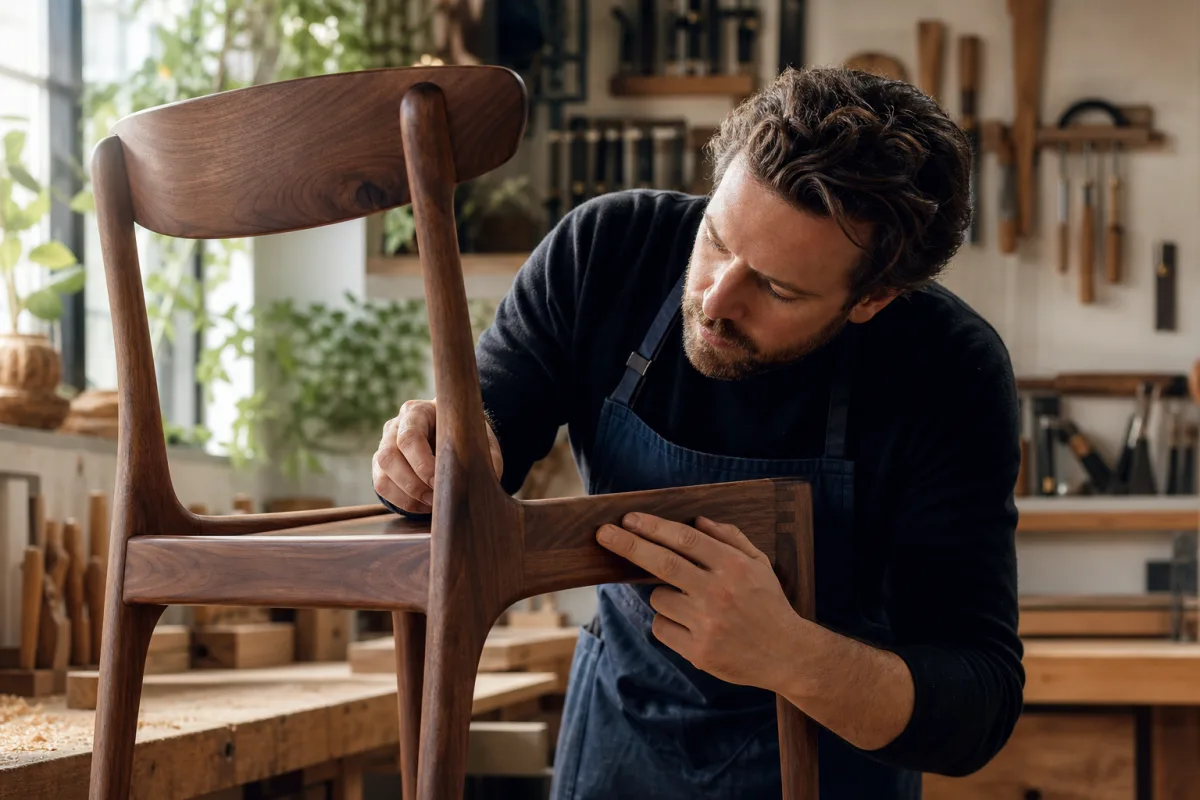
Buying fewer, better things sounds simple until better becomes confused with premium branding.
The goal is not to make every household purchase luxurious. It is to reduce the cycle of buying, tolerating, replacing, and storing items that never worked well.
Start with frequency of use
I care most about quality when an item is used often or when failure creates real inconvenience.
A daily chair, pan, bag, or bedding may deserve more attention than a decorative object used occasionally.
Define quality in practical terms
Depending on the item, quality may mean:
- comfortable and easy to use
- simple to clean
- made from replaceable or repairable parts
- appropriately sized for the space
- visually calm enough to keep for years
Price can support these qualities, but it does not guarantee them.
Delay the upgrade until the need is clear
I try to name the repeated problem with the current item. If I cannot, the desire may be novelty rather than function.
A short waiting period also creates time to compare dimensions, materials, reviews, and care requirements.
Let ordinary items earn attention
Intentional purchasing is not about making the home impressive. It is about choosing fewer objects that quietly perform their jobs.
When an item is useful, durable, and suitable for the actual household, it creates value without needing to announce itself as an upgrade.

The Compound Life
Personal Growth • Value Investing • Wealth Philosophy • Quality Living