The Low-Effort Dinner List That Saves Me From Weeknight Takeout
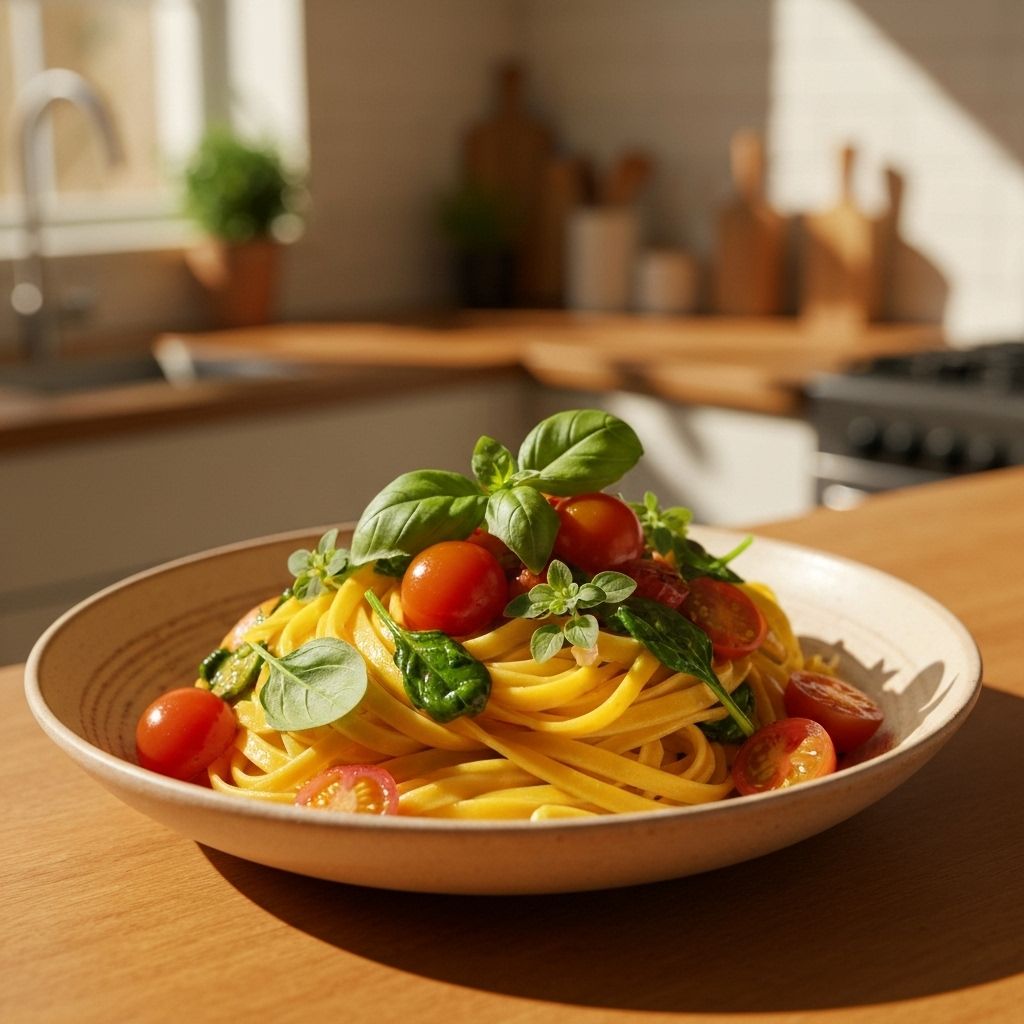
For a long time, I treated weeknight dinners like a decision I would make later.
That sounded flexible, but in practice it usually meant I was hungry, tired, slightly unplanned, and far too willing to spend money on convenience.
I didn't need a stricter personality. I needed a lower-friction default.
That's why I keep a low-effort dinner list.
The Problem Was Never Cooking
I used to think the issue was motivation.
It wasn't.
The real problem was decision fatigue.
By the end of the day, I didn't want to evaluate recipes, check missing ingredients, or figure out whether I had the energy for a "quick" meal that still somehow took forty-five minutes and three pans.
So I defaulted to takeout more often than I wanted.
What the Dinner List Actually Is
It is not a spreadsheet.
It is not a full meal plan.
It is just a short list of meals I know I can make on a normal weekday without too much thinking.
For me, that list usually includes:
- pasta with olive oil, garlic, and a protein
- rice bowls with eggs or chicken and frozen vegetables
- tacos with simple fillings I can rotate
- soup, toast, and something easy on the side
- a low-effort sheet-pan meal
The point is not culinary excellence. The point is having reliable options before I get hungry enough to make expensive decisions.
Why This Saves Money
Takeout isn't just expensive because of menu prices.
It also includes:
- delivery fees
- tips
- taxes
- impulse add-ons
- the habit loop of doing it again tomorrow
A dinner that costs $8 to $12 at home can easily become a $25 to $40 order once convenience takes over.
That difference matters when it happens multiple times a week.
Why This Feels Easier Than Traditional Meal Prep
What I dislike about aggressive meal prep is that it can feel too rigid for real life.
You make a huge batch of food on Sunday, then by Wednesday you are bored, behind, or ordering out anyway because the system asked too much from you.
The dinner list works better for me because it is flexible.
I am not forcing myself to eat one exact menu. I am reducing the number of decisions I need to make under pressure.
The Three Rules I Follow
1. Every dinner needs a fast version
If a meal only works when I have extra energy, it doesn't belong on the weekday list.
2. Ingredients need overlap
I want foods that can show up in multiple meals so nothing feels overly optimized or wasteful.
3. The goal is repeatability, not perfection
I am not trying to impress anyone on a Tuesday night. I am trying to make a decent dinner at low mental cost.
What Changed After I Started Doing This
The benefits were simple but meaningful:
- I spent less on random delivery
- I wasted less food
- I felt less stressed in the evenings
- I ate more consistently at home
- my budget became easier to manage
Most importantly, I stopped treating dinner like a daily emergency.
The Bottom Line
If your evenings keep getting hijacked by takeout, you may not need more discipline.
You may just need a short list of meals that are easy enough to survive a normal day.
That is what changed things for me.
Not a complicated food system. Just a simpler fallback.

The Compound Life
Personal Growth • Value Investing • Wealth Philosophy • Quality Living