Make Room for Overnight Guests Without Buying a Guest Room
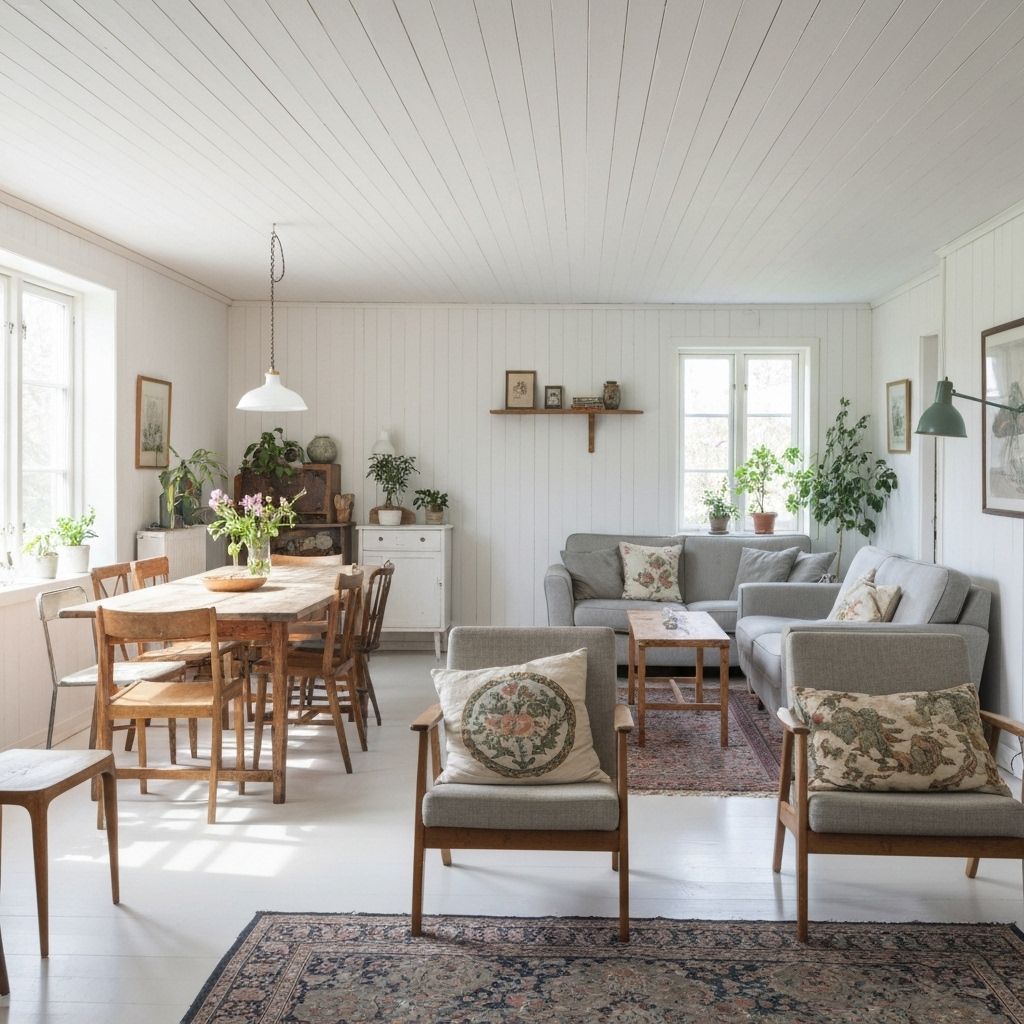
A spare bedroom is useful, but it is not the only way to make someone feel welcome. In a small home, the more useful question is whether a guest can understand how the space works without having to ask about every ordinary thing.
Where should the bag go? When does the bathroom get busy? Is the coffee on the counter available to everyone? A beautiful basket of toiletries does very little if the answers to those questions remain awkward.
I prefer to plan around the actual visit: who is coming, how many nights they will stay, and which parts of the home will need to do two jobs. That produces a shorter shopping list and a more considerate plan.
Agree on the Sleeping Arrangement First
Before preparing anything, describe the sleeping setup plainly. A sofa in the living room, an air mattress beside a desk, and a private bedroom are different offers. Give the guest enough information to decide whether the arrangement works for them.
Mention stairs, pets, shared bathrooms, and the hours when a shared room becomes busy again. Ask whether there is anything about the setup that would make the stay difficult. It is easier to adjust plans before arrival than to improvise around an unsuitable arrangement late at night.
If the living room becomes a sleeping space, agree on a rough transition time. The guest needs some certainty about when they can settle in; the host needs a workable morning. Neither person should have to guess whether putting the bedding away is a polite gesture or an unwanted interruption.
Clear One Place for Their Things
You do not need to empty a whole wardrobe. A stable surface for a bag and a few hooks can be enough for a short visit. The important detail is that the space is genuinely available, rather than temporarily cleared and reclaimed the following morning.
A useful small-space arrangement might include:
- A spot for a suitcase that leaves the walking route clear.
- A shelf or chair for clothing, separate from the sleeping surface.
- A reachable place for a phone, glasses, and a glass of water.
- An accessible socket with a suitable charger if you already have one.
- A clearly identified place for used towels.
Walk through the room with the bed or mattress in its nighttime position. Can the guest reach the door and move around without stepping over bags? If the answer depends on everyone remembering a complicated sequence, simplify the layout.
Give a Short Tour of Ordinary Things
A short practical tour can remove more friction than another decorative touch. Show how the door locks, which light controls the sleeping area, where the bathroom supplies are, and how to find drinking water.
Keep the explanation proportional. A guest staying one night does not need a complete operating manual for the house. They need the handful of details that will matter while you are asleep or occupied.
For a longer visit, leave a small note with the Wi-Fi details you are comfortable sharing, the plan for breakfast, and any arrangements for keys. Avoid leaving private account information alongside those everyday instructions. The aim is independence, not access to everything.
Plan the First Morning, Not Every Meal
Hosting gets expensive and tiring when each ordinary meal turns into an event. Ask about preferences and dietary needs before shopping, then agree on a simple first morning. Let the guest know whether breakfast is shared, self-service, or something you will pick up outside.
An example plan might be: breakfast supplies are on the counter, everyone handles their own coffee, and the bathroom will be busy between seven and eight. That is enough information to make the morning predictable without scheduling the whole visit.
If you already use a short kitchen closing routine, keep its useful parts. Clear a little working space and make the next morning easy to understand. You do not need to introduce a completely different household system because someone is staying over.
Borrow Before Buying for a Rare Visit
For occasional hosting, list what is actually missing before looking at products. Bedding may be available from another room. A relative might be happy to lend a folding bed. A lamp can move temporarily without becoming a permanent new purchase.
If you do buy something, decide where it will live after the guest leaves. An item that serves a useful purpose for two nights and blocks a cupboard for the rest of the year has a storage cost as well as a price.
This is the same question behind buying fewer, better home items: what repeated job will the object do? A purchase can still make sense for infrequent use, but that should be a conscious choice.
A Ten-Minute Check Before Arrival
Use the final few minutes to check the experience from the guest's point of view:
- The sleeping arrangement is ready and matches what you discussed.
- The path to the bathroom and exit is clear.
- Towels, drinking water, and basic instructions are easy to find.
- There is somewhere to put a bag without moving the bedding.
- The first morning's plan is understood.
Then leave the remaining perfection projects alone. A welcoming home has room for the person who is visiting, including their preferences and their need for a little privacy. It does not need to look as though nobody normally lives there.

The Compound Life
Personal Growth • Value Investing • Wealth Philosophy • Quality Living